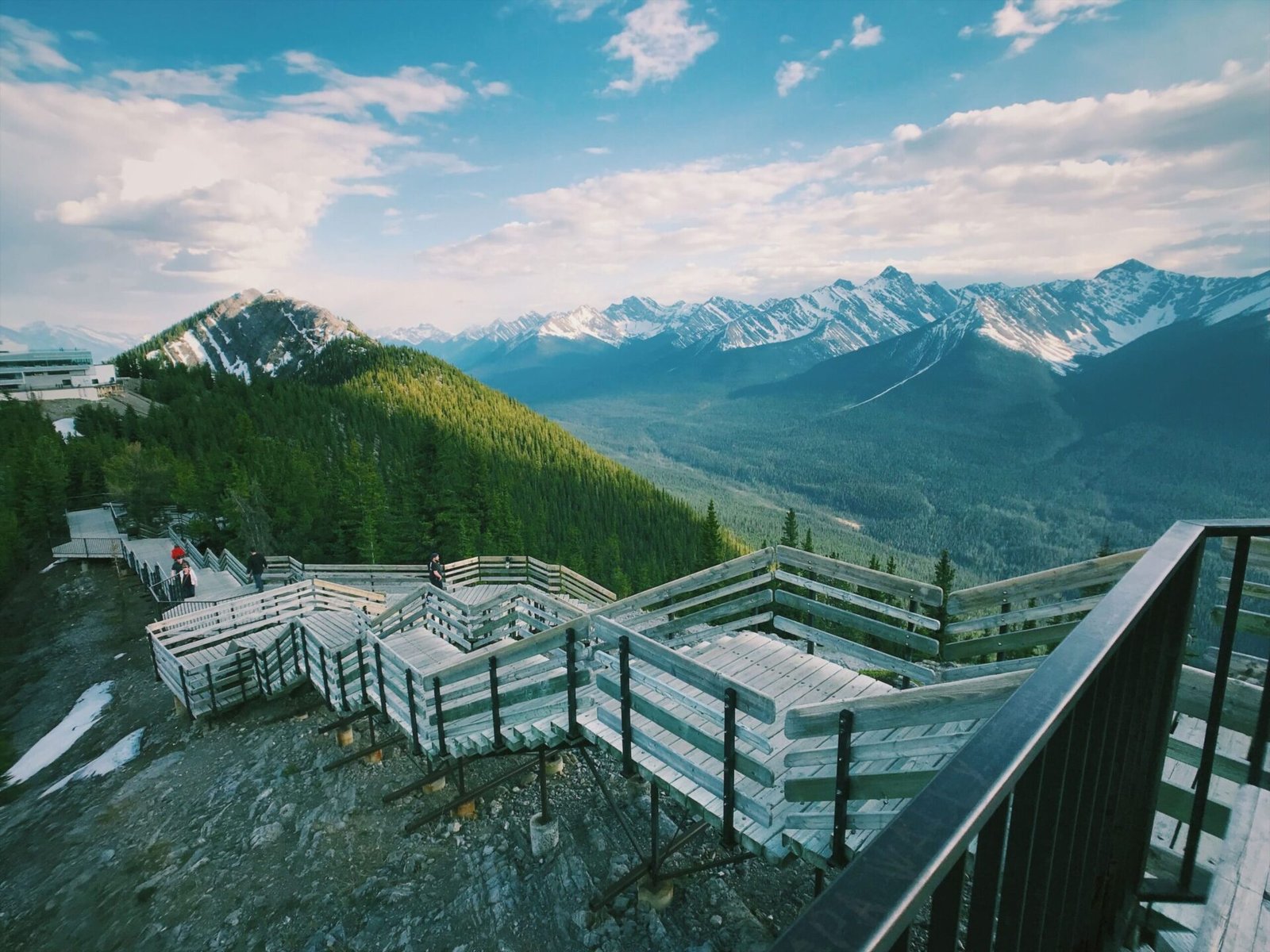
Banff National Park is the kind of place that photographs beautifully but plans badly if you don’t sort out the logistics first. It’s Canada’s oldest national park, tucked into the Alberta Rockies about ninety minutes west of Calgary, and it draws millions of visitors a year for the same handful of reasons: turquoise glacial lakes, peaks you can see from the highway, and a townsite small enough to walk end to end in twenty minutes. What most guides skip is the practical layer underneath the postcard shots.
This guide covers what actually matters when you’re planning a trip to Banff National Park: how many days you really need, when to go, what the park pass costs, and where to base yourself. It’s written for people who want a straight answer, not a page padded out with stock adjectives. Everything below reflects how the park works day to day, not just how it looks in a photo.
| Question | Short answer |
|---|---|
| Nearest airport | Calgary (YYC), about 1.5 hours by car |
| Minimum days needed | 3 full days |
| Best months for hiking | Late June through September |
| Best months for skiing | December through March |
| Do you need a car | Yes, for anything beyond the townsite |
| Park pass required | Yes, a Parks Canada day pass or annual Discovery Pass |
How Many Days Do You Need in Banff National Park?
Three full days is the realistic minimum if you want to see more than the townsite. That gives you one day for Lake Louise and Moraine Lake, one day for a proper hike, and one day for Banff itself and the area around Sulphur Mountain. Fewer than that and you’ll spend more time driving between spots than actually standing in front of them.
With five to seven days, you can slow down and add a side trip north along the Icefields Parkway toward Jasper. That drive alone is worth a full day on its own, not something to squeeze in on the way out of town. Our Trip Planning guides cover how to sequence a longer Rockies itinerary once Banff is locked in.
Best Time to Visit Banff National Park
Late June through September is the window most people picture when they think of Banff, trails are clear of snow, the lakes are at their most vivid turquoise, and every service in town is open. July and August are also the busiest months by a wide margin, so an early start, before 8am, at Lake Louise and Moraine Lake isn’t optional if you actually want to park.
Winter, from December through March, is a different park entirely: skiing and snowboarding at three resorts, frozen waterfalls you can walk into, and a fraction of the summer crowds. Shoulder season, April to early June and October to November, is the trade-off, cheaper and quieter, but several trails and the Moraine Lake access road are typically closed.
Top Things to Do in Banff National Park
Moraine Lake and Lake Louise
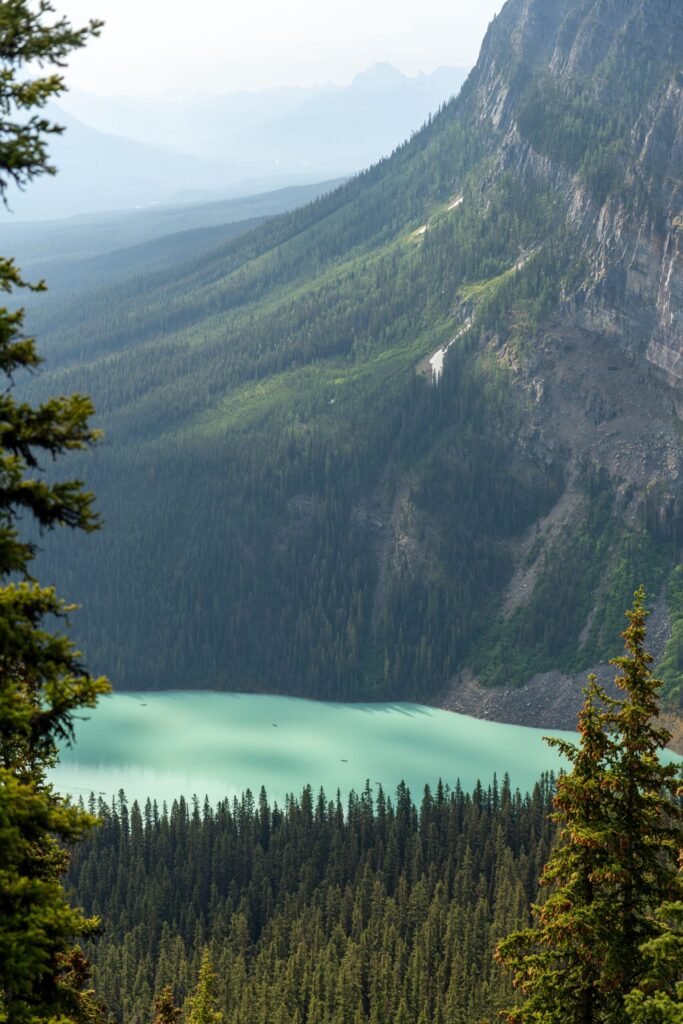
These two lakes are the reason most people book a trip to Banff National Park in the first place, and they sit about fifteen minutes apart by car. Moraine Lake’s small parking lot fills before sunrise in July and August, and Parks Canada has restricted private vehicle access during peak season, check the current shuttle and reservation system before you go rather than assuming you can drive straight there.
Lake Louise is easier logistically, with more parking and a paid overflow lot as backup, but it’s just as busy. Both lakes are best seen early morning or late evening, when the light is better and the crowds thinner. Neither needs more than an hour or two unless you’re hiking one of the trails that start from the lakeshore.
Hiking the Best Trails in Banff National Park
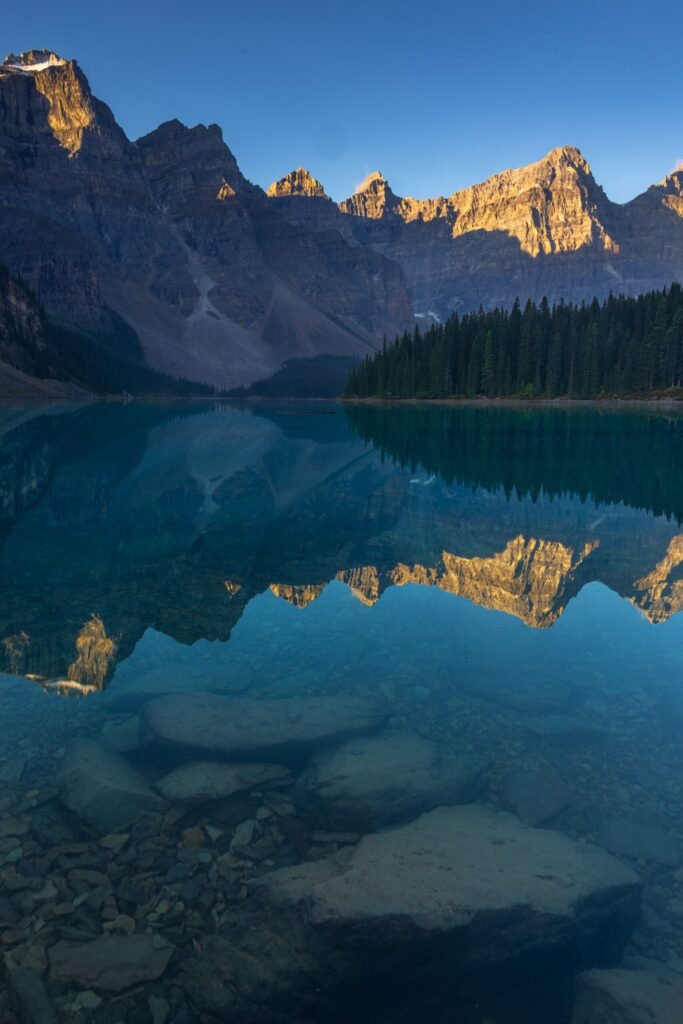
Banff National Park has hundreds of kilometers of maintained trail, ranging from flat lakeside walks to full-day alpine routes. Johnston Canyon is the easiest introduction, a paved-then-boardwalk path to a set of waterfalls that works for almost any fitness level. For something harder, the trail to the Lake Agnes Tea House climbs steadily from Lake Louise to a small teahouse with a real view to show for the effort.
A short list of the routes worth knowing before you pick one:
- Johnston Canyon — easy, 2.7 km one way to the Lower Falls
- Lake Agnes Tea House — moderate, 3.5 km one way, steady climb from Lake Louise
- Plain of Six Glaciers — harder, 5.3 km one way, also from Lake Louise
- Sulphur Mountain — moderate on foot, or take the gondola one way if you’d rather hike down only
The Icefields Parkway
The Icefields Parkway is the highway running north out of Banff National Park toward Jasper, and it’s routinely ranked among the most scenic drives in the world, glaciers visible from the road, waterfalls that don’t require a hike to see, and almost no towns for over 200 kilometers. Peyto Lake, with its wolf-head shape and improbably blue water, is the stop most people remember afterward.
Give yourself a full day if you want to stop properly rather than just drive through, and fill up on gas before leaving Lake Louise, services are sparse until you reach Jasper. We cover the drive itself, and what’s changed since the 2024 wildfires, in our Jasper National Park guide.
Wildlife You Might See
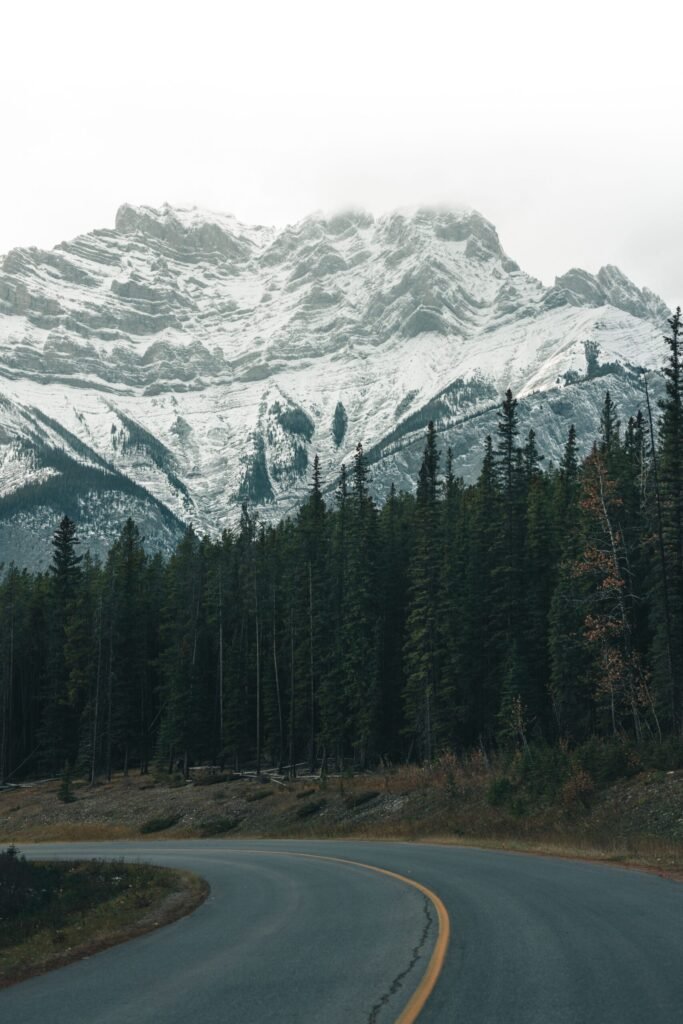
Elk, bighorn sheep, and mule deer are common enough around the Banff townsite that you’ll likely see one without trying. Black bears and grizzlies are also present throughout the park, especially in early summer when they’re feeding at lower elevations, Parks Canada posts active wildlife warnings and trail closures, worth checking before a hike, not after.
Keep real distance from anything you see, don’t approach for a photo, and carry bear spray if you’re hiking beyond the short interpretive trails. Wildlife sightings from the car are common along the Bow Valley Parkway, a slower, quieter alternative to the main highway between Banff and Lake Louise.
Banff Townsite
Banff itself is small enough to explore on foot in an afternoon: Banff Avenue for shops and restaurants, the Cave and Basin historic site where the park started, and the gondola up Sulphur Mountain for a view without a hike. It’s also the only spot in the park with a real concentration of restaurants, so plan to eat here rather than counting on options elsewhere.
The Bow Falls walk, right at the edge of downtown, is worth the fifteen minutes it takes even on a short visit. It’s an easy way to see moving water and mountains without leaving the townsite at all.
Where to Stay in Banff National Park
Banff townsite is the most convenient base for exploring the park, walkable, well-serviced, and central to day trips, but it’s also the most expensive option and the most likely to be fully booked in summer. Canmore, about 25 minutes outside the park boundary, is usually cheaper for a similar quality of room and has become the default choice for visitors who don’t mind a short drive.
Lake Louise itself has a small handful of hotels right at the lake, convenient if you want to be there before the crowds but priced at a premium. Booking early matters more than exact location here, rooms sell out months ahead for peak summer weekends, regardless of where to stay in Banff you end up choosing.
What to Pack for Banff National Park
Layers matter more than any single piece of gear here, because mountain weather shifts fast even in July, a warm, sunny morning at the trailhead can turn into a cold, windy afternoon by the time you’re at elevation. A proper waterproof shell, a mid-layer fleece, and broken-in hiking boots cover most of the year, with microspikes worth adding for shoulder-season trails that still hold ice.
Bear spray belongs on the list for anyone hiking beyond short paved trails, along with more water than feels necessary, the dry mountain air dehydrates faster than it feels like it should. Winter visitors need real cold-weather layers, not a city jacket, since actual temperatures at higher elevations run well below what’s posted for the townsite.
How Much Does Banff National Park Cost
Every vehicle entering the park needs a Parks Canada pass, either a single-day pass per person or an annual Discovery Pass, which pays for itself if you’re visiting more than a handful of times a year or combining Banff with Jasper on the same trip. Pricing changes periodically, so check the current rate directly with Parks Canada before you go rather than relying on an old number.
Beyond the pass, the real cost swings are accommodation (Banff townsite runs highest, Canmore noticeably less) and whether you’re driving your own car or renting one. Food in the townsite is priced like a resort town, a grocery run from Canmore or Calgary before you arrive can meaningfully cut the bill if you’re staying more than a couple of nights.
Getting to Banff National Park
Calgary International Airport (YYC) is the closest major airport, roughly 90 minutes away by car on a clear day, longer in winter conditions. There’s no passenger rail into the park, and public transit from Calgary is limited, so most visitors either rent a car or book a shuttle directly from the airport.
Once you’re inside the park, a car is close to essential, the townsite itself is walkable, but Lake Louise, Moraine Lake, and most trailheads are all a drive apart. A seasonal shuttle system covers some of the busiest routes in summer, worth checking if you’d rather not deal with parking at Moraine Lake at all.
Mistakes First-Time Visitors Make in Banff National Park
Underestimating drive times inside the park is the most common one, the townsite, Lake Louise, and Moraine Lake all look close together on a map, but mountain roads and summer traffic stretch every trip longer than it looks. Trying to fit all three into one day usually means rushing each stop instead of actually enjoying any of them.
Skipping the park pass, arriving at Moraine Lake without a reservation in peak season, and assuming cell service will work throughout the park are the other three that catch people off guard. Downloading offline maps and checking Parks Canada’s current alerts before you leave the townsite solves most of it in advance.
Frequently Asked Questions
How many days do you need in Banff National Park?
Three full days is the realistic minimum to see the townsite, Lake Louise, Moraine Lake, and fit in one proper hike without rushing between stops.
Do you need a car in Banff National Park?
Yes, for anything beyond the townsite itself. Lake Louise, Moraine Lake, and most trailheads aren’t reachable on foot from downtown Banff.
How much does it cost to enter Banff National Park?
Every vehicle needs a Parks Canada day pass or annual Discovery Pass. Check current pricing directly with Parks Canada, since rates change periodically.
Is Banff National Park worth visiting in winter?
Yes, three ski resorts, frozen waterfalls, and far fewer crowds than summer. Some trails and the Moraine Lake road are closed seasonally.
Banff rewards a little upfront planning more than almost anywhere else in the Canadian Rockies, the difference between finding parking at Moraine Lake and turning around defeated usually comes down to what time you left the hotel. Everything above is what we’d actually tell a friend before their first trip, not a rehash of the visitor centre brochure.
If Banff is one stop on a bigger Rockies trip, our Jasper National Park and Trip Planning guides cover the rest of what you’ll need, from the drive up the Icefields Parkway to what to pack for shoulder season. Our About page has more on how these guides get put together, and why we write them this way.